
⚠️ This page connects you to Atovia’s partners and affiliate markets. We may receive a commission from affiliate partners for activities made through these links. Discount offers may change at any time according to policy! Rest assured, there are no additional costs to you! We hope this saves you time in finding the right items!
- 1. Why Your Interest Rate Matters More Than You Think
- 2. How Car Loan Interest Rates Work
- 3. Key Factors That Determine Your Rate
- 4. Where to Shop for a Car Loan
- 5. Comparison Table: Average APR by Lender Type
- 6. How to Get Pre-Qualified Without Hurting Your Credit
- 7. Tips to Negotiate a Lower Rate at the Dealership
- 8. New vs Used Car Loan Rate Differences
- 9. Common Mistakes That Cost Borrowers Extra Money
- 10. Frequently Asked Questions
- 11. Conclusion and Next Steps
- Your credit score is the single biggest factor in determining your car loan interest rate.
- Shopping around with multiple lenders within a short window can help you find the lowest APR without significant credit score impact.
- Credit unions and online lenders often offer more competitive rates than dealership financing.
- Getting pre-qualified before visiting a dealership gives you negotiating leverage.
- Shorter loan terms typically come with lower interest rates but higher monthly payments.

1. Why Your Interest Rate Matters More Than You Think
A car loan’s interest rate can make a significant difference in the total amount you pay over the life of the loan. Even a difference of one or two percentage points can add up to hundreds or thousands of dollars in extra interest, depending on the loan amount and term. Understanding how rates work and how to shop for the best one is one of the most valuable things you can do before signing a car loan agreement.
2. How Car Loan Interest Rates Work
Car loan interest rates are typically expressed as an Annual Percentage Rate, or APR, which reflects the yearly cost of borrowing money, including interest and certain fees. Lenders set rates based on a combination of the borrower’s creditworthiness, the loan term, the type of vehicle being financed, and broader market conditions such as the prevailing benchmark interest rate. Rates can be fixed, meaning they stay the same for the life of the loan, or in rarer cases variable, meaning they can change over time.

3. Key Factors That Determine Your Rate
Several factors influence the interest rate a lender offers:
- Credit Score: Borrowers with higher credit scores generally qualify for the lowest rates, while those with lower scores face higher rates to offset perceived lender risk.
- Loan Term: Shorter loan terms usually carry lower interest rates than longer terms, though monthly payments are higher.
- Down Payment: A larger down payment reduces the amount financed and can help you qualify for a better rate.
- New vs Used: New vehicles often qualify for lower rates than used vehicles.
- Debt-to-Income Ratio: Lenders also consider your existing debt relative to your income when setting terms.
🛒 Recommended Product
4. Where to Shop for a Car Loan
There are several types of lenders to consider, each with its own advantages:
- Banks: Traditional banks often offer competitive rates, especially to existing customers with strong banking relationships.
- Credit Unions: Credit unions are member-owned and frequently offer some of the lowest rates available, along with more flexible approval criteria.
- Online Lenders: Online lenders can offer fast pre-approval and competitive rates, often with a streamlined digital application process.
- Dealership Financing: Dealerships can arrange financing through partner lenders and sometimes offer promotional rates, but it’s worth comparing these against other offers before committing.
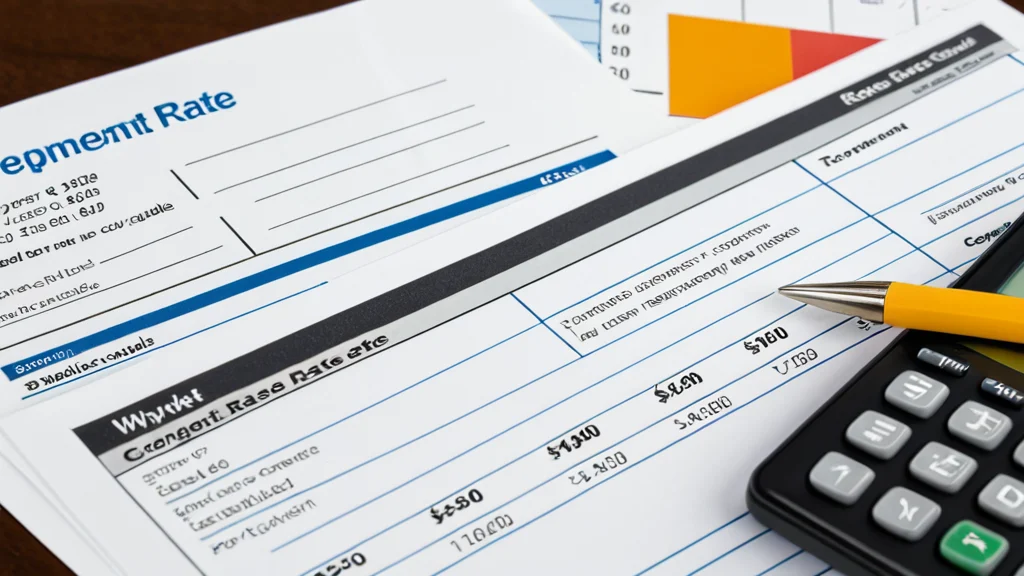
| Lender Type | Excellent Credit (720+) | Fair Credit (620-679) |
|---|---|---|
| Credit Unions | Typically lowest available rates | Often more flexible than banks |
| Banks | Competitive for existing customers | Moderate rates, stricter approval |
| Online Lenders | Fast approval, competitive rates | Wider range of offers |
| Dealership Financing | Can match or beat with promotions | Higher rates without promotions |
5. Comparison Table: Average APR by Lender Type
The table above illustrates how rates can vary by lender type and credit tier. Actual rates change frequently based on market conditions, so it’s important to check current offers directly with lenders before making a decision.
6. How to Get Pre-Qualified Without Hurting Your Credit
Most lenders allow you to get pre-qualified using a soft credit inquiry, which does not affect your credit score. This process gives you an estimated rate and loan amount before you formally apply. To minimize the impact on your credit, try to complete all your rate-shopping within a focused window of about two weeks, since credit scoring models typically treat multiple auto loan inquiries in that period as a single inquiry.
7. Tips to Negotiate a Lower Rate at the Dealership
Walking into a dealership with a pre-approved offer in hand gives you real negotiating power. Dealers may try to beat your outside offer to win your financing business. Other useful strategies include negotiating the price of the vehicle separately from the financing terms, being mindful of extended loan terms that lower monthly payments but increase total interest paid, and reading all financing documents carefully before signing.
🛒 Recommended Product
8. New vs Used Car Loan Rate Differences
New car loans typically come with lower interest rates than used car loans, partly because new vehicles hold more predictable value and represent less risk to lenders. Used car loans, especially for older vehicles or higher-mileage models, tend to carry higher rates. If you’re considering a used vehicle, comparing rates across multiple lenders becomes even more important.
9. Common Mistakes That Cost Borrowers Extra Money
- Accepting the first financing offer without comparing other lenders.
- Focusing only on the monthly payment instead of the total cost of the loan.
- Choosing an unnecessarily long loan term to lower payments.
- Skipping pre-qualification and losing negotiating leverage.
- Not checking your credit report for errors before applying.
10. Frequently Asked Questions
What credit score do I need for the best car loan rate? Generally, a credit score of 720 or higher qualifies borrowers for the most competitive rates, though exact thresholds vary by lender.
Should I get pre-approved before visiting a dealership? Yes, pre-approval gives you a clear rate benchmark and stronger negotiating position.
Is a shorter loan term always better? A shorter term usually means a lower rate and less total interest, but it also means higher monthly payments, so it depends on your budget.
11. Conclusion and Next Steps
Finding the best interest rate on a car loan takes a bit of research and comparison shopping, but the savings can be substantial. Start by checking your credit score, get pre-qualified with a few different lenders, and use those offers to negotiate the best possible terms, whether you finance through a bank, credit union, online lender, or dealership.
Ready to find your best rate? Compare personalized car loan offers today.