⚠️ This page connects you to Atovia’s partners and affiliate markets. We may receive a commission from affiliate partners for activities made through these links. Discount offers may change at any time according to policy! Rest assured, there are no additional costs to you! We hope this saves you time in finding the right items!
If you want the short answer, the strongest Unicorn Overlord teams are balanced squads that pair a sturdy frontline with a reliable damage dealer and some form of support. This guide ranks squad archetypes and class pairings from S-tier to C-tier, then shows how to build them for the early and mid game. Every ranking here is opinion, built on the criteria explained below, so treat it as a starting point for your own roster.
As an Amazon Associate I earn from qualifying purchases.
- Quick Answer: The Best Teams at a Glance
- How This Tier List Is Ranked
- S-Tier Teams
- A-Tier Teams
- B-Tier Teams
- C-Tier Teams
- Best Unit Partners
- Best Early-Game Team Comps
- Best Mid-Game Team Comps
- Team Building Checklist
- Gear, Guides, and Accessories Worth Considering
- Common Team-Building Mistakes to Avoid
- FAQ
- Final Verdict and Next Steps
Quick Answer: The Best Teams at a Glance
- Balanced squads that combine a durable frontline, a damage dealer, and support tend to perform best across the game.
- Pairings such as Hoplite with Radiant Knight and Swordsman with Cleric are popular because the two classes cover each other’s weaknesses.
- Squads have limited slots and every unit has a deployment cost, so efficient builds matter as much as raw power.
- All tier placements in this article are opinion and can shift with your recruits, playstyle, and any future updates.
- Check the in-game class details before you spend resources on promotions or equipment.
| Tier | Squad Archetype | Main Strength | Main Tradeoff |
|---|---|---|---|
| S | Armored frontline plus magic damage | Tends to hold the line while ranged damage clears enemies | Depends on protecting the backline |
| S | Mobile flier plus healer support | Flexible positioning and sustain | Can be fragile against anti-air threats |
| A | Melee duelists with a support unit | Strong at breaking single targets | Weaker against crowds |
| B | Budget mixed squads | Cheap and easy to field | Lower ceiling in tough battles |
| C | Single-role stacks | Simple early placeholders | Easy for enemies to counter |
How This Tier List Is Ranked
Unicorn Overlord is a tactical RPG from Vanillaware, published by Atlus and Sega, and it launched on March 8, 2024 for Nintendo Switch, PlayStation 4, PlayStation 5, and Xbox Series X|S. Because squads are built from units with limited slots and deployment costs, a good team is about efficiency as much as strength. This list scores each archetype on five criteria.
- Damage output: how reliably the squad can defeat enemies.
- Survivability: how well it holds up when focused.
- Flexibility: how many battle types it can handle.
- Unit cost: how efficiently it uses limited squad capacity.
- Ease of use: how forgiving it is for newer players.
Opinion note: these rankings reflect general tendencies, not hard facts. They can change as you unlock units, and balance updates may shift things over time, so check current patch notes and in-game information screens.
S-Tier Teams
Armored Frontline Plus Magic Damage
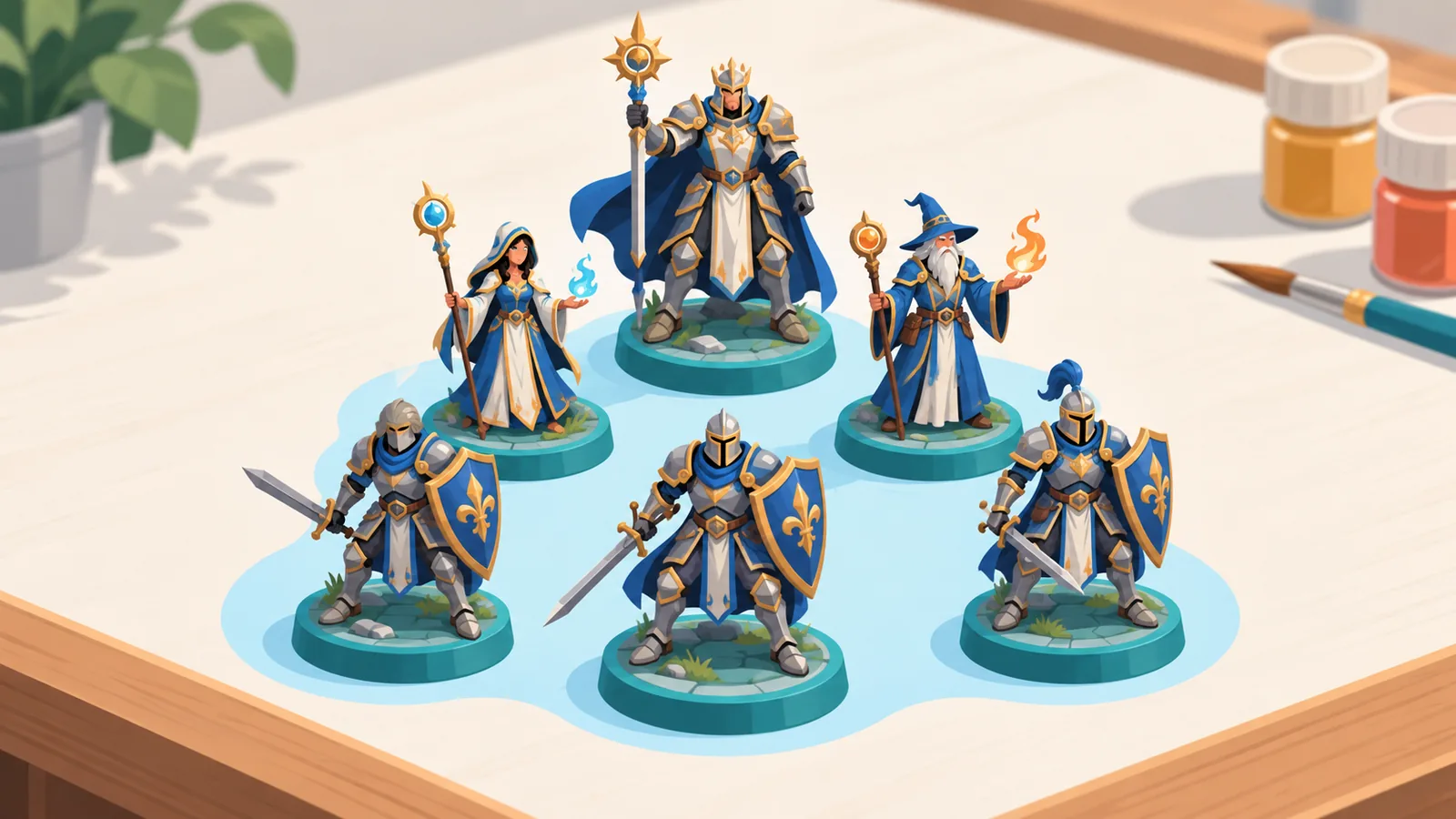
Template: a heavy defender such as a Hoplite or Knight type up front, with a Witch type behind. Why it works: the frontline tends to absorb attention while the caster deals damage from safety. Best use: general campaign battles and defensive stands. Weak point: if the frontline falls early, the damage dealer becomes exposed.

Flier Mobility Plus Healer Support
Template: a Gryphon Knight type paired with a Cleric type. Why it works: the flier can reposition quickly while the healer keeps the squad standing. Best use: maps that reward speed and flanking. Weak point: it usually struggles when enemies counter flying units.
Opinion note: S-tier here means broadly reliable, not unbeatable. Your own roster may favor a different pick.
A-Tier Teams
Melee Duelists With Support
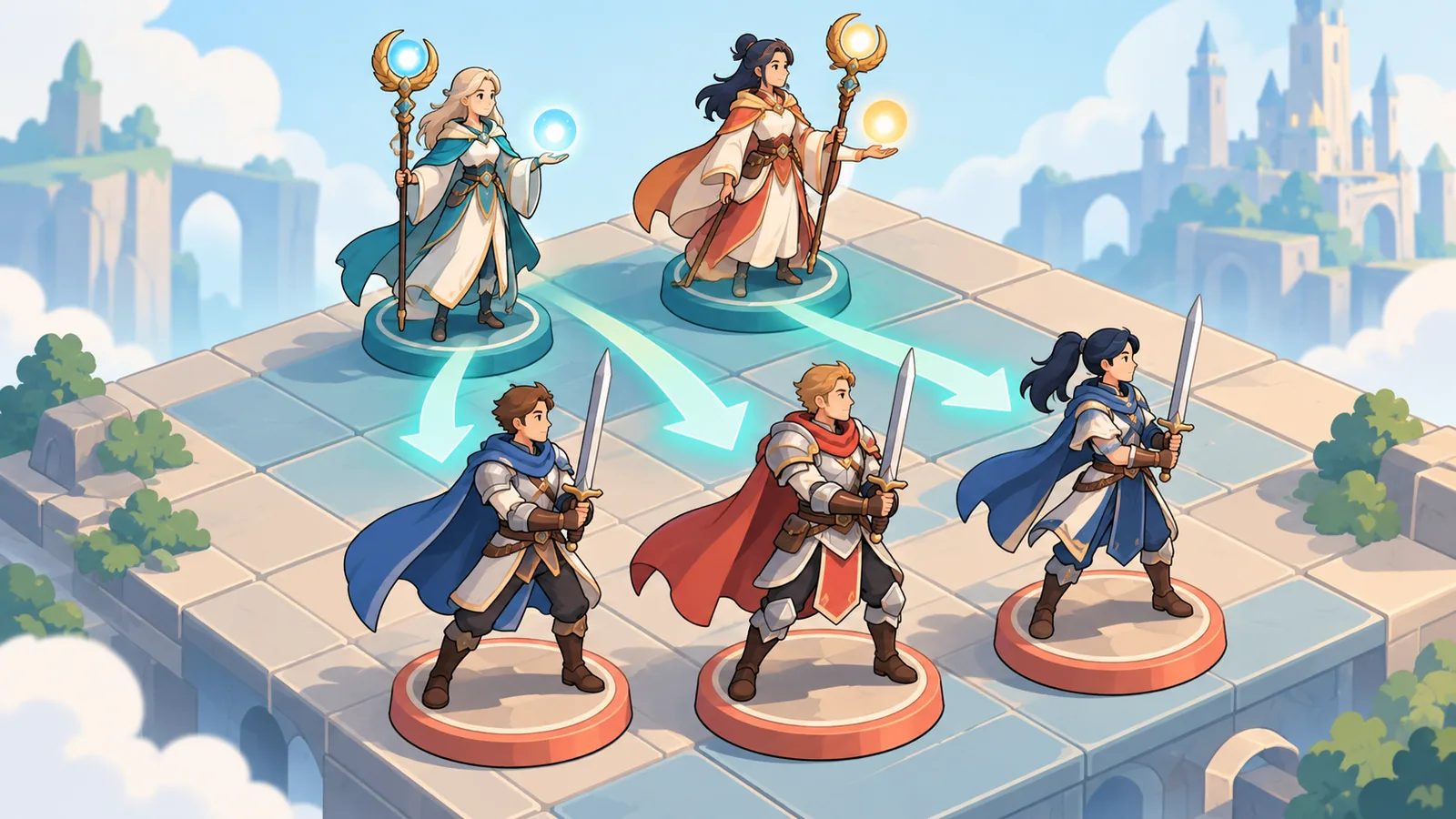
Template: a Swordsman or Gladiator type backed by a support unit. Why it works: strong single-target pressure with enough backup to stay in fights. Best use: boss-style encounters and elite targets. Weak point: it often loses efficiency against many small enemies. This squad can beat S-tier picks when you need to take down one dangerous unit quickly.
Balanced Four-Role Squad
Template: one defender, one attacker, one ranged unit, one support. Why it works: it has few obvious gaps. Best use: players who want a dependable default. Weak point: it rarely excels at any single task.
Opinion note: A-tier squads are strong and often easier to assemble than S-tier ones.
B-Tier Teams
Budget Mixed Squads
These squads use inexpensive units to leave room for other squads on the map. They tend to do well in low-pressure battles and when you are short on strong recruits. Their ceiling is lower, but they are forgiving and easy to rebuild.

Situational Counter Squads
Built to answer a specific enemy type, these squads can shine in the right fight and feel weak in others. Keep one in reserve rather than relying on it every battle.
Opinion note: B-tier does not mean bad. Many players will complete large parts of the game with these builds.

C-Tier Teams
Early-Game Placeholders
Squads built around whichever units you have recruited first are fine at the start, but they usually need replacing as better options arrive.
Single-Role Stacks
Stacking several units of the same role is easy to counter. A squad of only frontline units, for example, often lacks the damage to finish fights, while an all-ranged squad can collapse under pressure. These builds still make sense for niche roles or when you are testing a mechanic.
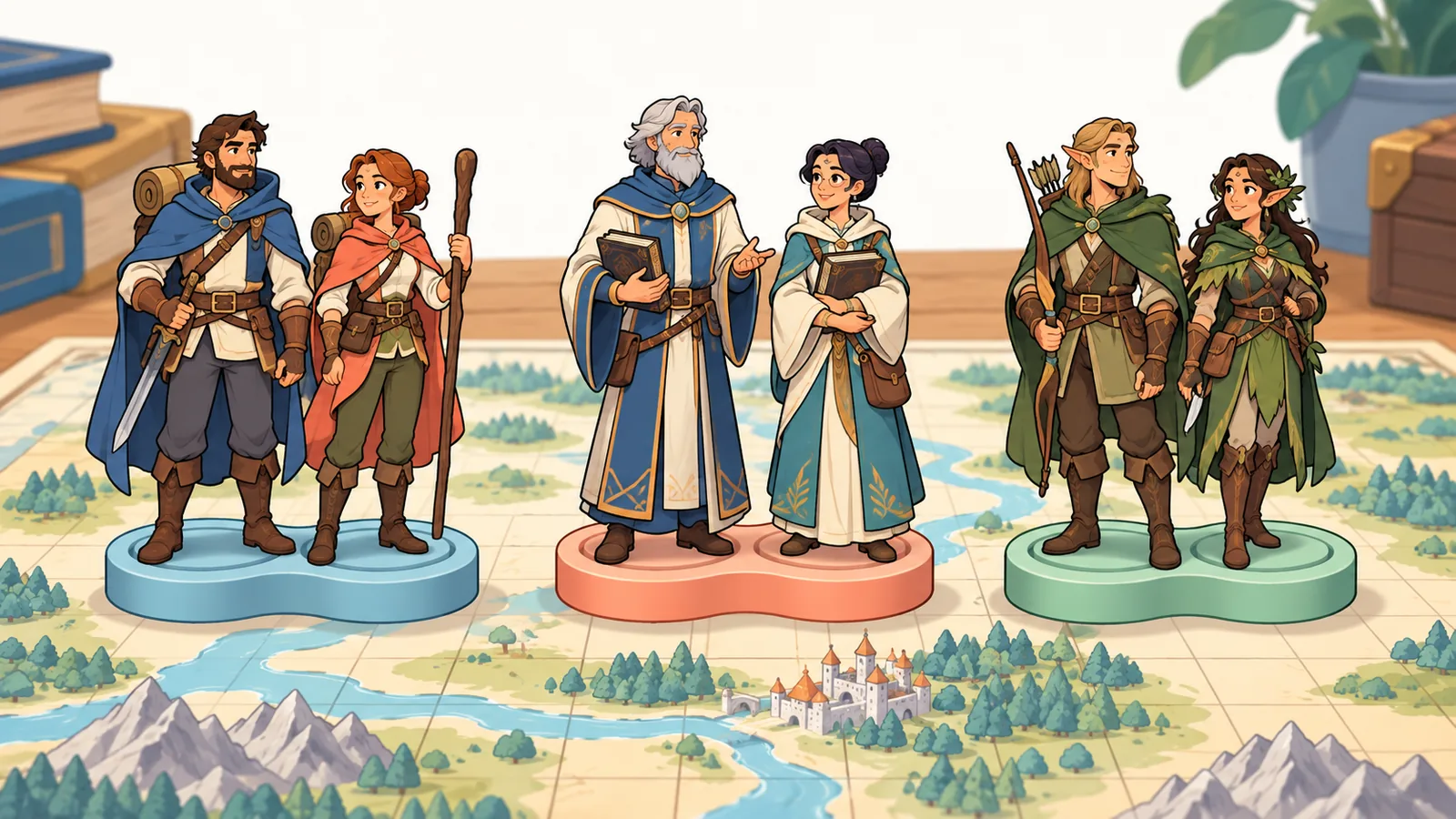
Opinion note: C-tier squads can still win battles. They simply leave less room for error.
🛒 Recommended Product
🛒 Recommended Product
Best Unit Partners
Pairings matter because units in a squad support each other. The combinations below are widely discussed class partnerships, described here as general tendencies. How well they work depends on your recruits.

| Pairing | Role | Strength | Tradeoff |
|---|---|---|---|
| Housecarl and Knight | Frontline wall | Tends to be very durable | Lower mobility |
| Hoplite and Radiant Knight | Defense plus support | Often keeps the line stable | Modest damage |
| Witch and Gladiator | Magic plus melee | Covers multiple damage types | Needs protection for the Witch |
| Fighter and Gryphon Knight | Ground plus air | Flexible positioning | Vulnerable to anti-air |
| Swordsman and Cleric | Attacker plus healer | Sustained offense | Healer can become a target |
| Hoplite and Dark Knight | Defender plus heavy hitter | Solid pressure with cover | Slower to reposition |
Best Early-Game Team Comps
Early on, slots are limited and options are few, so favor cheap and reliable builds. A simple frontline unit with one damage dealer and one support unit usually carries you through the first chapters. Avoid committing scarce resources to a niche build before you know which recruits you will keep.

- Pick a durable unit for the front.
- Add one reliable damage source.
- Include healing or support if available.
- Keep unit costs low so you can field more squads.
Best Mid-Game Team Comps
By the mid game, promotions, better equipment, and added squad capacity give you room to specialize. Promotion usually improves a unit’s role and stats, so check the in-game class details before committing. This is the stage to move toward S-tier archetypes, such as a heavy frontline with magic damage, or a flier with healer support, while keeping one flexible squad for surprises.

Team Building Checklist
- Role balance: does the squad have a defender, a damage dealer, and support?
- Unit cost: are you spending capacity efficiently?
- Terrain and enemy type: does the squad suit the next battle?
- Equipment: are weapons and gear matched to each role?
- Skills: are your skill priorities supporting the squad’s job?
- Backup: do you have a reserve squad for unexpected fights?
Gear, Guides, and Accessories Worth Considering
Prices and availability vary by store and change over time, so verify details on the retailer’s page before buying.

- Game copy: compare physical and digital versions on your platform, and check what each edition includes before you pay.
- Strategy guides: check whether a guide exists for your platform and region. Free online guides may be enough for team building.
- Controller or handheld grips: look for comfort during long sessions and confirm compatibility with your exact console model.
- Screen protection and battery: useful for handheld play, so check battery life and fit on the product page.
Common Team-Building Mistakes to Avoid
- Overstacking one class: a single-role squad is easy to counter.
- Ignoring unit cost: expensive units can leave you with fewer squads on the map.
- Neglecting healers: sustain often decides long fights.
- Skipping promotions: unpromoted units may fall behind as enemies scale.
- Copying a tier list blindly: your roster matters more than any ranking.

FAQ
What is the best team overall?
There is no single best team, but a balanced squad with a sturdy frontline, a damage dealer, and support is a dependable choice for most players.
What is the best squad for beginners?
A simple frontline unit paired with a Swordsman and a Cleric type is easy to manage and forgiving of mistakes.

Do tier lists change after updates?
They can. Balance changes, new content, and your own roster all affect rankings, so check current patch notes.
How many squads should I run?
As many as your capacity and unit costs allow, while keeping each squad balanced. Quality usually beats quantity.

Are paid guides worth it?
Often not required. Free guides cover most team building, but a printed or official guide may suit you if you like having a reference nearby.
Final Verdict and Next Steps
For most players, a balanced squad built around a durable frontline, steady damage, and support is the safest recommendation. Start with a cheap, reliable build, then move toward S-tier archetypes as your roster and promotions grow. Use the checklist above before each major battle and revisit your squads whenever you recruit new units.
Ready to plan your next squad? Browse a game page or companion guide to get started.
Explore Unicorn Overlord Resources
- Publisher and developer information for Unicorn Overlord, as listed on the official Atlus and Vanillaware pages.
- Platform release information, as listed on the official Nintendo, PlayStation, and Xbox store pages.
- In-game class and squad information screens.
Try Atovia’s free tool for this topic →
Want more comparisons and buying guides?
Citing this article
Source: Atovia (Atovia). https://atovia.kr