
⚠️ This page connects you to Atovia’s partners and affiliate markets. We may receive a commission from affiliate partners for activities made through these links. Discount offers may change at any time according to policy! Rest assured, there are no additional costs to you! We hope this saves you time in finding the right items!
Wholesaling looks simple on paper: sign a contract, pass it to a buyer, collect a fee. The catch is that the contract, the earnest money and your state’s rules decide whether it actually works.
- What Is Real Estate Wholesaling?
- How Do Wholesalers Get Paid?
- A Simple Wholesaling Example
- How to Wholesale Real Estate, Step by Step
- What to Check in the Contract Before You Sign
- What Happens to Your Earnest Money If No Buyer Appears?
- Is Wholesaling Legal? Licensing and Disclosure Rules
- A Texas Case Study: Written Disclosure to Sellers and Buyers
- Common Beginner Mistakes to Avoid
- Wholesaling Pros and Cons
- Is Wholesaling Worth It?
- Frequently Asked Questions
- Your Next Step
- Wholesaling usually means assigning your purchase contract rights to another buyer for a fee.
- Check that the contract allows assignment and what its termination terms are.
- If no buyer appears, you can lose earnest money, depending on the contract.
- Licensing and disclosure rules differ by state, so verify yours before you start.
What Is Real Estate Wholesaling?
It’s a method where you contract to buy a property, then assign your contract rights to another buyer for a fee. According to LendingTree, the wholesaler is typically paid for passing along the right to complete the purchase.
So the whole idea rests on the contract. Everything else, from the fee to the legal risk, follows from what that document says.
Do wholesalers actually own the house?
No. Selling contract rights is different from selling ownership. Texas Real Estate Commission (TREC) guidance stresses that what you offer is a contractual interest, not the property itself.
How Do Wholesalers Get Paid?
Through an assignment fee paid by the end buyer. The buyer steps into your contract, and you receive a fee for handing it over.

You may see fee ranges and per-deal profit figures online. Rocket Mortgage offers general descriptions of this kind, but they are not guaranteed market statistics, so treat them as illustrations and not income promises.
A Simple Wholesaling Example
Here is the sequence in plain terms. This is an illustration only, with no promised figures.
- A seller agrees to sell a house, and the wholesaler signs a purchase contract.
- The wholesaler finds an investor who wants the deal.
- The investor takes over the contract through an assignment.
- The deal closes, and the wholesaler collects a fee.

Every step depends on the contract allowing it. If any link breaks, the fee never arrives.
How to Wholesale Real Estate, Step by Step
The process comes down to six steps, and the first one is the one beginners skip most often.

- Learn your state’s rules on wholesaling, licensing and disclosure.
- Find motivated sellers.
- Review the property’s value and likely repair costs.
- Sign a purchase contract that permits assignment.
- Find an end buyer for the deal.
- Assign the contract and close.
How do you find motivated sellers?
Motivated sellers are people who want to sell soon, often for reasons such as a move, an inherited property or a house that needs work. Be upfront about your role from the first call. Clear communication protects the seller and you.
How do you estimate whether a deal makes sense?
Rocket Mortgage advises reviewing the property’s value and repair costs before committing. It also suggests weighing the contract period and the earnest money at risk.

Some guides mention a 70% rule of thumb for pricing. Treat any rule of thumb as a starting point, and check it against your local market.
What to Check in the Contract Before You Sign
Confirm that the contract can be assigned, and read its termination and deadline terms closely. LendingTree’s process assumes a contract that allows assignment, so you can’t assume yours does.
Use this checklist when you read a purchase contract:

- Assignment language: is it allowed, restricted or silent?
- Closing timeline: how long do you have to find a buyer?
- Contingencies: what lets you or the seller walk away?
- Default terms: what happens if the deal doesn’t close?
- Your role: how is your interest described to the seller?
If anything is unclear, ask a qualified real estate attorney before you sign.
What Happens to Your Earnest Money If No Buyer Appears?
Depending on the contract, you may lose it. LendingTree notes that putting down earnest money and then failing to find a buyer can cost you that deposit under the contract’s terms.
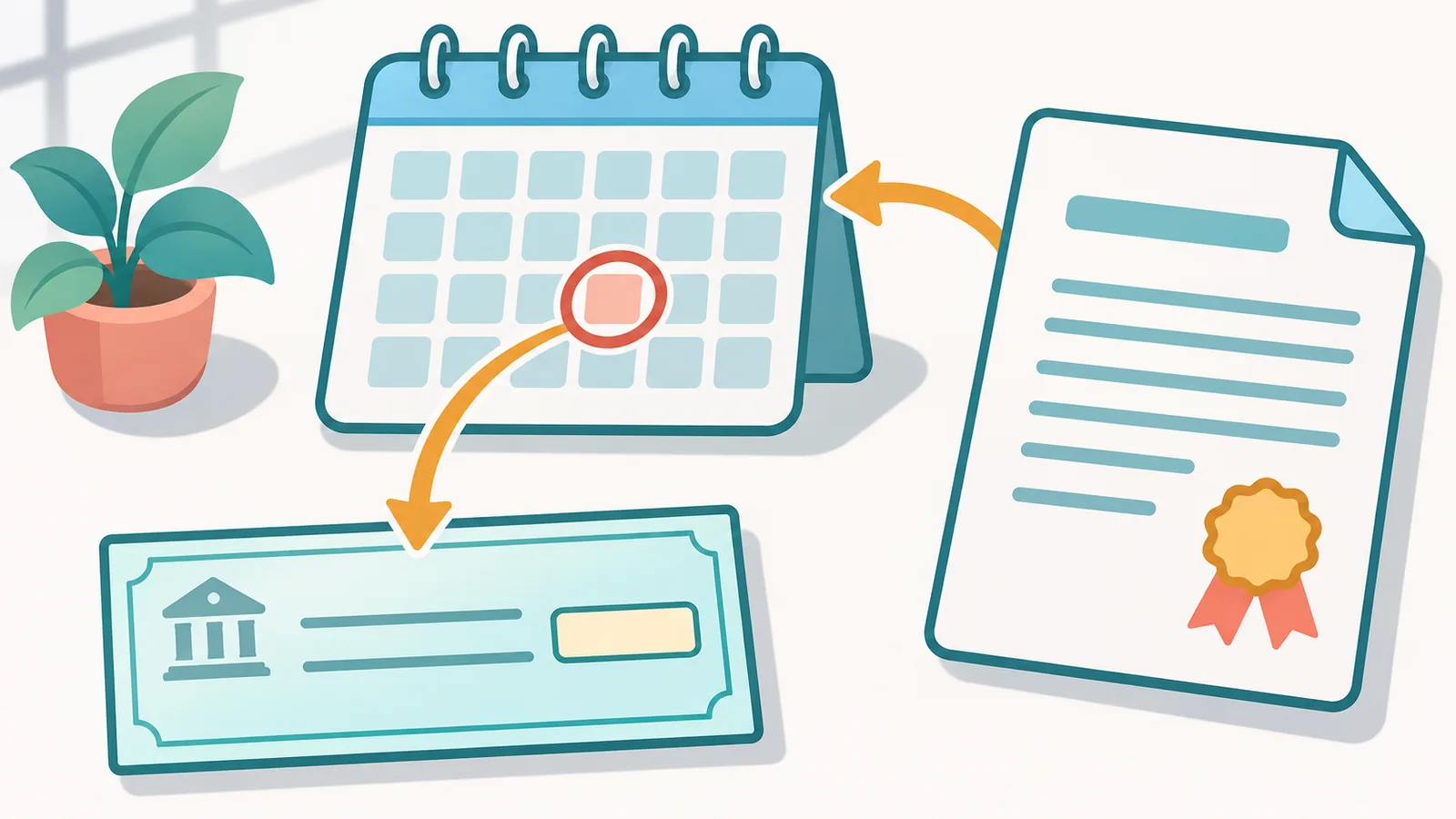
That’s why Rocket Mortgage points to the contract period and deposit risk as part of due diligence. A short deadline with a large deposit is a very different bet from a longer window with a small one.
TREC’s Wholesaling in Texas survey also found that some respondents reported deals that never closed because no end buyer was found. That is survey feedback, not a measure of how often it happens.
Is Wholesaling Legal? Licensing and Disclosure Rules
It depends on the state, and some states may require a license. LendingTree notes that wholesaling rules differ from state to state.

🛒 Recommended Product
Rules can also change over time and may differ by city. Before your first deal, check your state real estate commission’s current guidance on wholesaling, licensing, advertising and disclosure.
A Texas Case Study: Written Disclosure to Sellers and Buyers
Texas allows a person to assign or offer an interest in a purchase contract without a license, if they are not acting as a broker and they disclose the nature of the interest in writing. Under TREC’s rule on equitable interests in real property, that written disclosure goes to the seller and the prospective buyer.
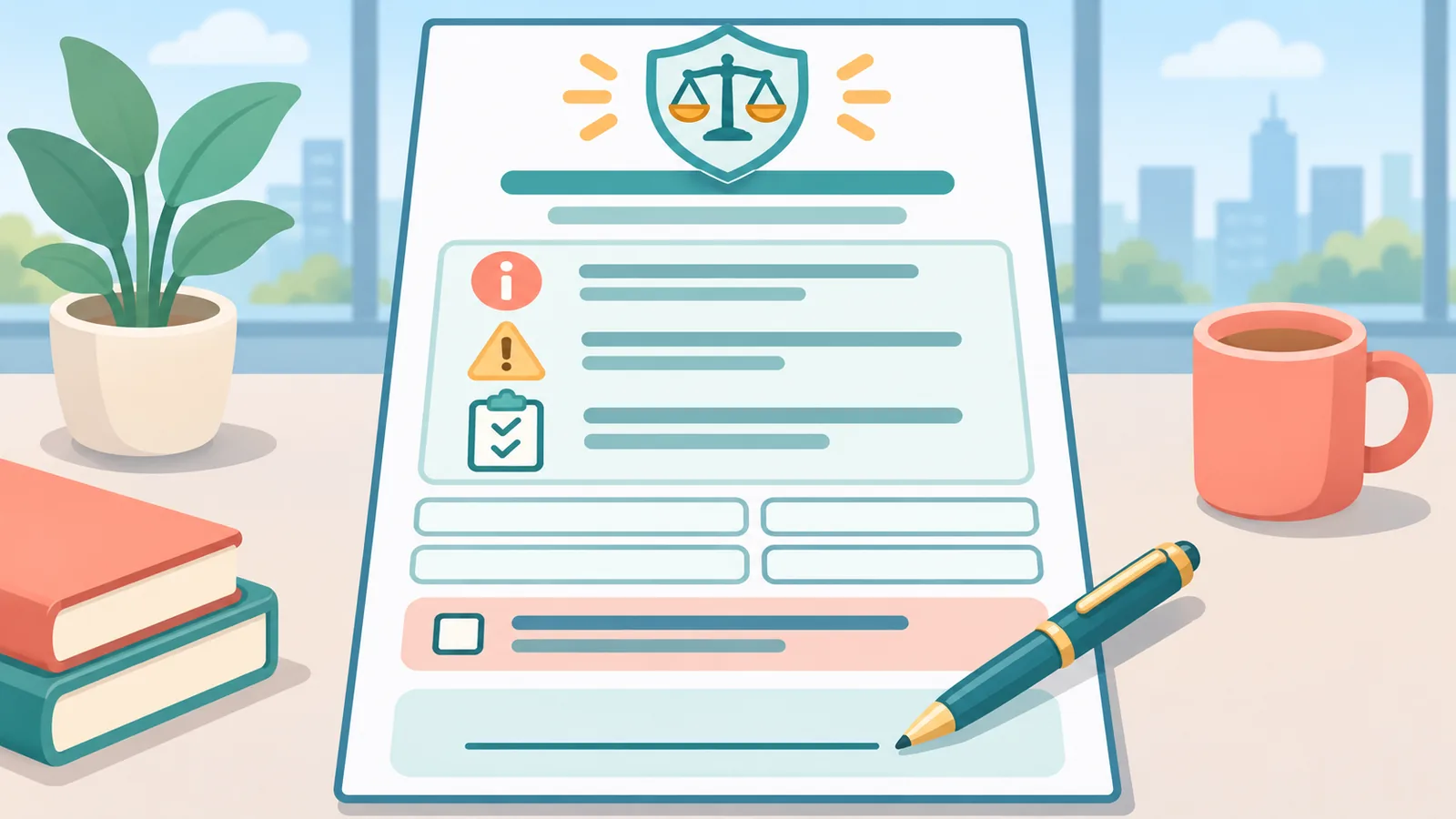
The same rule treats failing to disclose the nature of the interest as brokerage activity. That is the line between a permitted sale of a contract interest and unlicensed brokerage.
TREC’s guidance on SB 1577 says the written disclosure must go to sellers as well as buyers, a change effective January 1, 2024. Earlier TREC guidance, from 2017, stresses that you are selling a contractual interest, not ownership.
Keep in mind that this is one state’s rule, not national law. Other states handle it differently.

Common Beginner Mistakes to Avoid
Most beginner mistakes come from skipping the basics: the contract, the rules and clear communication. Watch for these:
- Signing a contract that can’t be assigned
- Ignoring state licensing and disclosure rules
- Overlooking repair costs when judging a deal
- Being unclear with sellers or buyers about your role
The role confusion is not just theory. TREC’s survey reported that some respondents misunderstood the wholesaler’s role in the transaction.

Wholesaling Pros and Cons
The main appeal is that you don’t have to buy the property, and the main risks are money and law. This table keeps to points the sources support.
| Attribute | Pros | Cons |
|---|---|---|
| Upfront cash | No need to buy the property | Earnest money may be at stake |
| Risk | You don’t hold title to the house | No end buyer can mean no deal |
| Legal complexity | Some states, like Texas, set clear disclosure terms | Rules and licensing vary by state |
Is Wholesaling Worth It?
It can be, but it depends on your market, your contract skills, your buyer network and your compliance. There is no single answer that fits every beginner.

Be careful with income claims. The fee examples published online are general descriptions, not verified statistics, so build your own numbers from real deals in your area.
Frequently Asked Questions
Can any contract be assigned?
No. You need to read the contract to see whether assignment is allowed, restricted or subject to special conditions.

Do I need a license to wholesale?
It depends on your state. Some states may require a license, so check with your state’s real estate commission.
Do I have to tell the seller I plan to assign the contract?
In Texas, written disclosure of the nature of your interest must go to the seller and the prospective buyer. Other states have their own rules, so confirm yours.
What if I can’t find a buyer?
Depending on the contract, you may lose your earnest money. Review the deadline and default terms before you sign.

Is wholesaling the same as owning and flipping a house?
No. A wholesaler typically assigns contract rights and does not take ownership, while a flipper buys, renovates and sells the property.
Your Next Step
Today, look up your state real estate commission’s page on wholesaling and licensing. Then read the assignment clause in a sample purchase contract.
Review your state’s rules before making your first offer.
This article is general information, not legal advice. Laws vary by state and city and change over time, so consult a qualified professional before you act.
References
- LendingTree, How To Wholesale Real Estate: Guide for Beginners, 2025
- Rocket Mortgage, What is wholesale real estate? A beginner’s guide, 2026
- Texas Real Estate Commission, TREC Rules, §535.6 Equitable Interests in Real Property
- Texas Real Estate Commission, 88th Texas Legislative Session Update, and the Impact on License Holders, 2023
- Texas Real Estate Commission, Results from TREC’s Wholesaling in Texas Survey, 2022
- Texas Real Estate Commission, Sale of Equitable Interests in Real Estate Clarified, 2017
Want more comparisons and buying guides?
This article was written by Atovia with the help of AI tools. If you spot an error, please let us know via Contact and we will review and fix it.
Health, money and legal content here is general information and is not a substitute for advice from a qualified professional.