⚠️ This page connects you to Atovia’s partners and affiliate markets. We may receive a commission from affiliate partners for activities made through these links. Discount offers may change at any time according to policy! Rest assured, there are no additional costs to you! We hope this saves you time in finding the right items!
- What a startup business plan is, and who reads it
- Choose your format: traditional or lean
- Start with the company description and the problem you solve
- Show the market, customers, and competitors
- Explain your product, operations, and team
- Build the marketing and sales plan
- Put together financial forecasts
- Write the funding request
- Write the executive summary last
- Check the plan before you share it
- Common mistakes to avoid
- FAQ
You have an idea, a bit of momentum, and someone asking, “Do you have a business plan?” So where do you start? This guide walks through each section in a sensible order, using guidance from the U.S. Small Business Administration (SBA), the Business Development Bank of Canada (BDC), Shopify, and Bank of America.
What a startup business plan is, and who reads it
A startup business plan is a document that explains what your business does, who it serves, how it will make money, and how it will grow. The SBA names two main uses: running and steering the business, and winning over funders and partners.
Who reads it changes what belongs in it. BDC says to tailor the content to the reader. A lender cares about your ability to repay and about cautious assumptions, while a partner may care more about strategy.
Who is the plan really for?
Often, more than one audience. Picture a founder who needs a detailed version for a bank and a lighter version for the founding team. Same business, different level of detail.
So before you write a word, decide who will read this draft first.
Choose your format: traditional or lean
Pick a traditional plan when your reader wants detail, and a lean plan when you need something short that you can revise often. The SBA describes both formats and the situations each one suits.
There is also no fixed length. Shopify says a lean plan can fit on one page, while a traditional plan can run to dozens of pages depending on what the reader requires. BDC likewise says there is no standard format or length.
| Feature | Traditional plan | Lean plan |
|---|---|---|
| Best for | Readers who want detailed explanations | Short, focused summaries of core business elements |
| Level of detail | High | Low, brief points |
| How often you revise it | Occasionally | Frequently as you learn |
| Typical sections | Summary, company description, market analysis, organization and management, products or services, marketing and sales, funding request, financial projections | Key partners, activities, and resources; value proposition; customer relationships and segments; channels; cost structure; revenue streams |
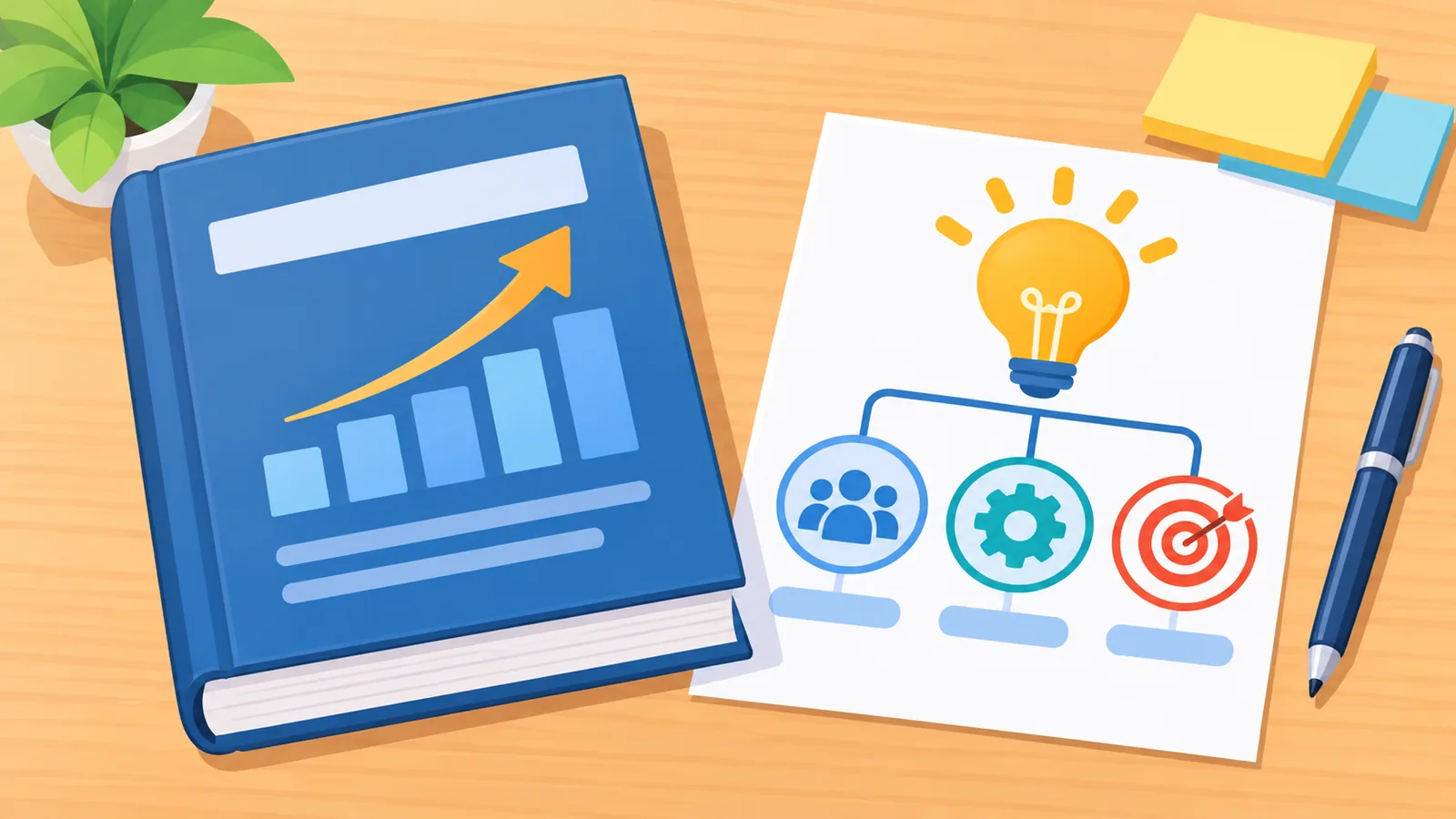
In short: if you’re unsure, start lean, then expand for a specific reader.
Start with the company description and the problem you solve
State in a few sentences what your company does, who it serves, and why it exists. Keep it short, because the details belong in later sections.
- Business name and legal structure, if you’ve decided on one
- The problem your customers have
- Your solution
- Your current stage: idea, prototype, or launched

One caution. Company types and lending practices differ by country, so check the rules in the place where you will register rather than assuming an overseas example applies.
Show the market, customers, and competitors
Explain who will buy from you, how large and how fast-changing the market is, and who you compete with. Shopify’s guide covers market size and trends, customers, competitors, and a SWOT review in this part of the plan.
How do I size the market without inflated numbers?
Label every number as either a source-backed figure or your own assumption. Then show the reasoning, such as the number of target customers multiplied by expected yearly spend.

For example, a meal-kit startup might write: “10,000 households in our service area (assumption) × $600 yearly spend (assumption) = $6 million.” Those figures are illustrative only. The point is that a reader can see how you got there. BDC says lenders look for conservative market and sales assumptions, so lean cautious.
How do I describe competitors honestly?
List direct competitors, indirect alternatives, and the option of customers doing nothing. Then state in one line each what you do differently. A meal-kit company’s real competition may include grocery shopping and takeout, not just other kits.
Explain your product, operations, and team
Describe what you sell, how you deliver it, and who is running it. This is the section where readers decide whether your group can actually execute.

- Product or service: features, development stage, pricing logic, and anything protected, such as patents or trademarks, if applicable
- Operations: suppliers, location, tools, and key processes (BDC lists operations as a core area of a plan)
- Team: roles, relevant experience, and the gaps you plan to fill (the SBA lists organization and management in the traditional format)
Don’t hide the gaps. Saying “we will hire a head of operations after funding” is more credible than leaving the role blank.
Build the marketing and sales plan
Show how customers will find you, why they will choose you, and how they will buy. Shopify’s marketing guidance centers on how customers arrive and on your value proposition, and BDC lists sales and marketing as a main area of a plan.

🛒 Recommended Product
- Target customer
- Core message and value proposition
- Channels you will use
- Pricing
- Sales process
- Early-traction goal
Here’s the catch: attach a rough cost to each channel. That way the marketing plan connects directly to your financial forecast.
Put together financial forecasts
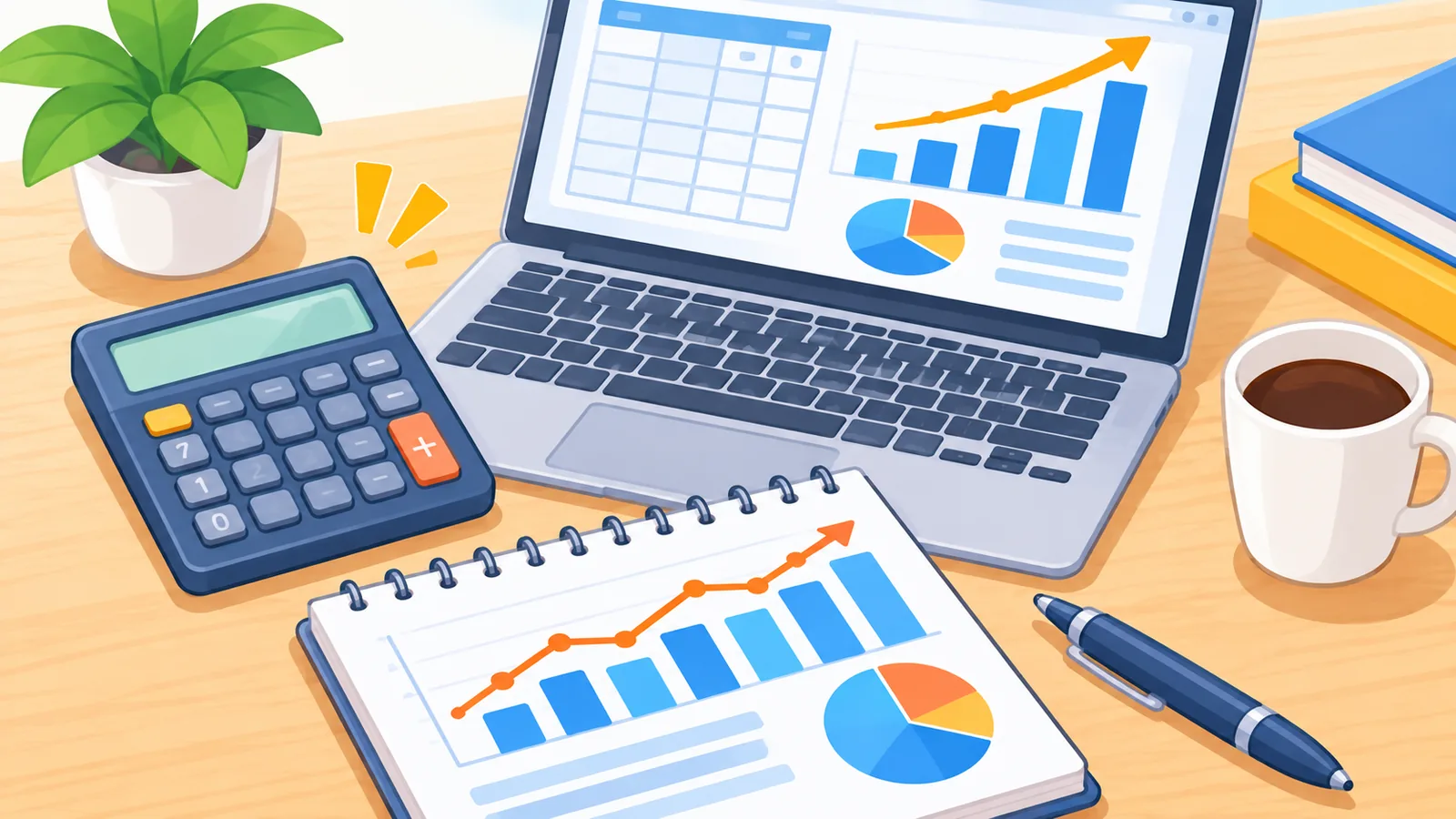
Forecast revenue, costs, and cash flow, and spell out the assumptions behind each. The SBA says projections should look about five years ahead, with the first year in more detail by month or quarter. If the business is already operating, it also suggests including three to five years of past results.
What if I have no sales history?
You can still build estimates. Bank of America says a company that hasn’t launched can base revenue estimates on market research, with the first 12 months by month or quarter and later years extending up to five. Label these as estimates, and note which comparable businesses or research you used.
How cautious should the numbers be?
Lean conservative, and explain what you would do if results fall short. BDC notes that lenders look for exactly this. Never present a forecast as a result, and always show the assumptions next to the numbers.

Write the funding request
If you’re seeking money, state how much you need and what it will be spent on. The SBA advises explaining the amount and use of funds, and keeping your financial projections consistent with the request.
- The amount you are asking for
- The timeframe it covers
- Use of funds by category
- The milestones the money will help you reach
If you aren’t raising money, skip this section or replace it with a short resource plan.
Write the executive summary last
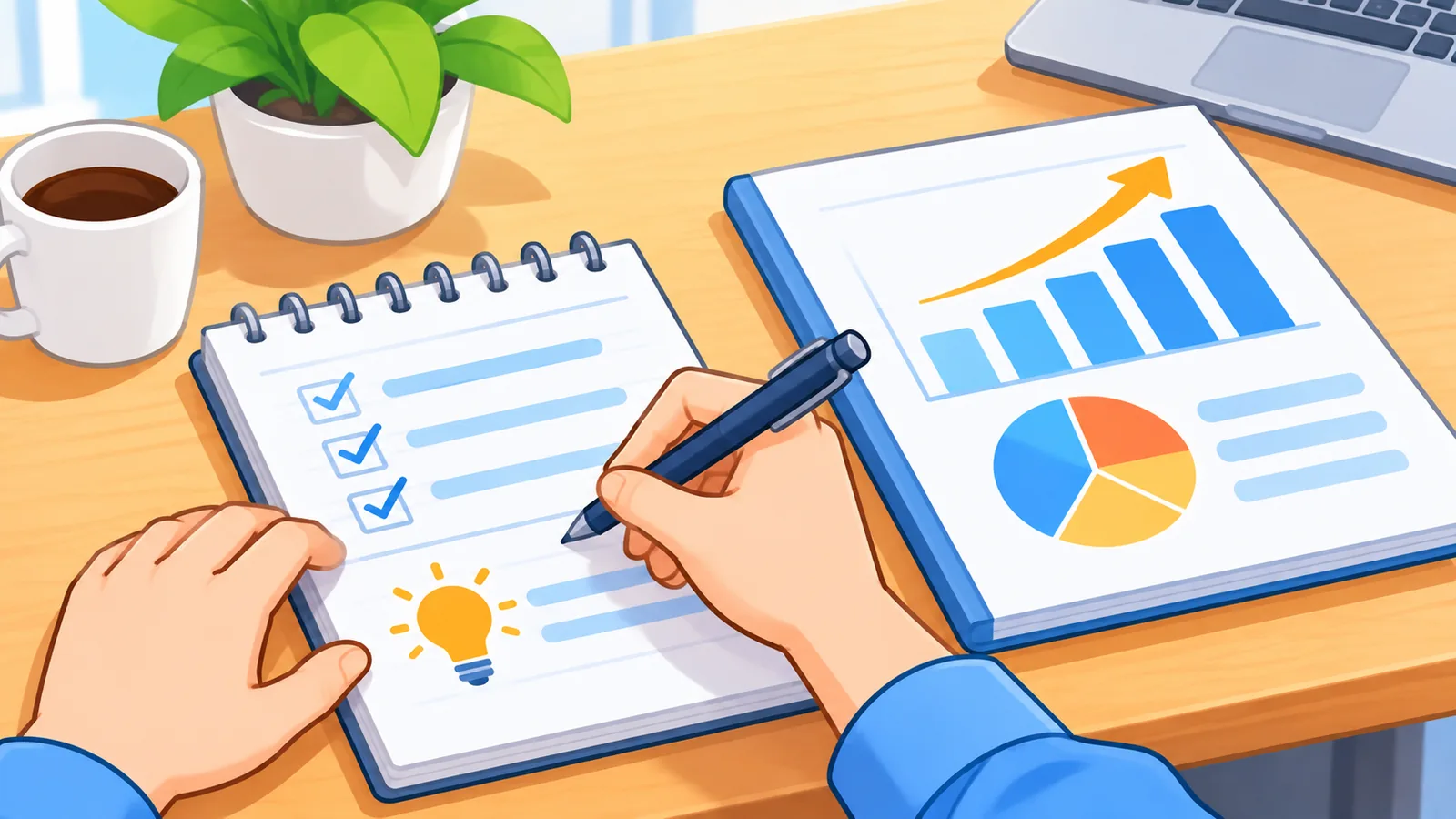
The executive summary is a one-page snapshot of the whole plan, and it’s easiest to write once everything else is done. The SBA places the summary first in the traditional order, so write it last but put it first.
Cover the problem, the solution, the market, the team, the headline numbers, and the ask. Then run one test. Could a busy reader understand your business from this page alone?
Check the plan before you share it
Re-test your assumptions and numbers, and make sure the plan fits the person who will read it. A quick review now saves an awkward question later.

Key takeaways
- There is no standard length, so match the reader’s request (Shopify, BDC).
- Forecasts typically run up to five years, with the first year in more detail (SBA, Bank of America).
- Your financials should match your funding request (SBA).
- Before submitting to a grant program or lender, check its latest rules. For Korean programs, review the current notice and the K-Startup education resources.
Pre-send checklist:
- Every number has a source or a labeled assumption.
- The forecast matches the funding request.
- The summary reads clearly on its own.
- Competitors are real, including indirect ones.
- Team gaps are acknowledged.
- The format fits the reader.
Common mistakes to avoid
Most weak plans share a few habits. Watch for these as you edit:
- Optimistic revenue with no assumptions shown
- One plan written for every audience
- An ask that is buried or disconnected from the financials
- Treating the plan as finished, when a lean plan especially should be revised as you learn
- Copying a template without adapting it to your business
FAQ
How long should a startup business plan be?
There is no fixed length. A lean plan can fit on one page, and a traditional plan can be far longer, depending on the reader.
Can I write a plan before I have customers or revenue?
Yes. Use market-research-based estimates and label them clearly as estimates.

How far ahead should my forecast go?
Typically up to five years, with the first year in more detail by month or quarter.
Should I choose a traditional or lean plan?
Choose by your reader and how much detail they need. The comparison table above shows the differences.
What should I verify after writing?
Check your assumptions, your numbers, consistency with the funding request, and the current requirements of whoever you are submitting to.
Your next step today: write a one-page lean plan covering customer segments, value proposition, channels, costs, and revenue streams. Then expand only the sections your reader asks for.
References
- Shopify, How To Write a Business Plan in 10 Steps
- U.S. Small Business Administration, Plan your business
- Business Development Bank of Canada, How to write an effective business plan
- Bank of America Center for Business Empowerment, How to write an effective business plan in 11 steps
- K-Startup Startup Edu
Try Atovia’s free tool for this topic →
Want more comparisons and buying guides?
Citing this article
Source: Atovia (Atovia). https://atovia.kr
This article was written by Atovia with the help of AI tools. If you spot an error, please let us know via Contact and we will review and fix it.