
⚠️ This page connects you to Atovia’s partners and affiliate markets. We may receive a commission from affiliate partners for activities made through these links. Discount offers may change at any time according to policy! Rest assured, there are no additional costs to you! We hope this saves you time in finding the right items!
Raising a pre-seed round comes down to five moves in order: build early proof, size the raise from the milestones you need to hit, prepare your materials, run a focused investor process, and sign clean paperwork. This guide walks through each step, including how SAFEs and dilution work and what to check before you sign.
- What Pre-Seed Funding Is and What It Is For
- Are You Ready? The Proof Investors Want to See
- How Much to Raise: Work Backward from the Next Milestone
- Who Invests at Pre-Seed
- Prepare Your Materials: Investor List, Summary, and Deck
- How to Run the Process: Outreach and Meetings
- SAFE vs. Priced Round: How Each Works
- Dilution Math: What You Give Up
- Legal and Records Checklist Before You Sign
- Common Mistakes to Avoid
- FAQ
- Proof comes first: a prototype, waitlist, or small pilot gives investors something real to evaluate.
- Size the round from milestones, not from a number that feels right.
- A runway of 12 to 18 months is a planning reference only, not a rule or a market average.
- Run investor conversations in parallel instead of one at a time.
- A SAFE gives an investor a right to future shares. It is not stock until it converts.
- Get qualified legal review before you sign anything, especially if US-style documents are involved.
What Pre-Seed Funding Is and What It Is For
Pre-seed is the earliest outside funding stage. Founders usually raise it when they have an idea or a prototype, and the goal is to create the evidence that the next round, typically a seed round, will require.
That framing matters because it changes how you plan. You are not raising money to scale a proven business. You are raising money to prove something specific: that people want what you are building and that your team can deliver it.
Think of pre-seed money as buying you a defined set of answers. If you can say exactly which questions the money will answer, you are ready to talk to investors. If you cannot, spend more time on planning first.
Are You Ready? The Proof Investors Want to See
Early investors know you will not have a mature business. They do look for signs that real demand exists. Common examples include a working prototype, a waitlist of interested users, or a small pilot with a few customers. No single item guarantees funding, and there is no fixed size of waitlist or pilot that secures a round.

Use this checklist to test your readiness:
- Problem clarity: you can describe who has the problem and why it matters in two sentences.
- Early user signal: at least one piece of evidence, such as a prototype people have tried, a waitlist, or a pilot.
- Team ability to build: the people on your team can ship the next version without waiting for the money.
- A defined next milestone: you know what you will show the next round of investors.
If most of these are missing, consider waiting. Another month or two of building a prototype or collecting waitlist signups can make the later conversations far easier than a rushed pitch with nothing behind it.

How Much to Raise: Work Backward from the Next Milestone
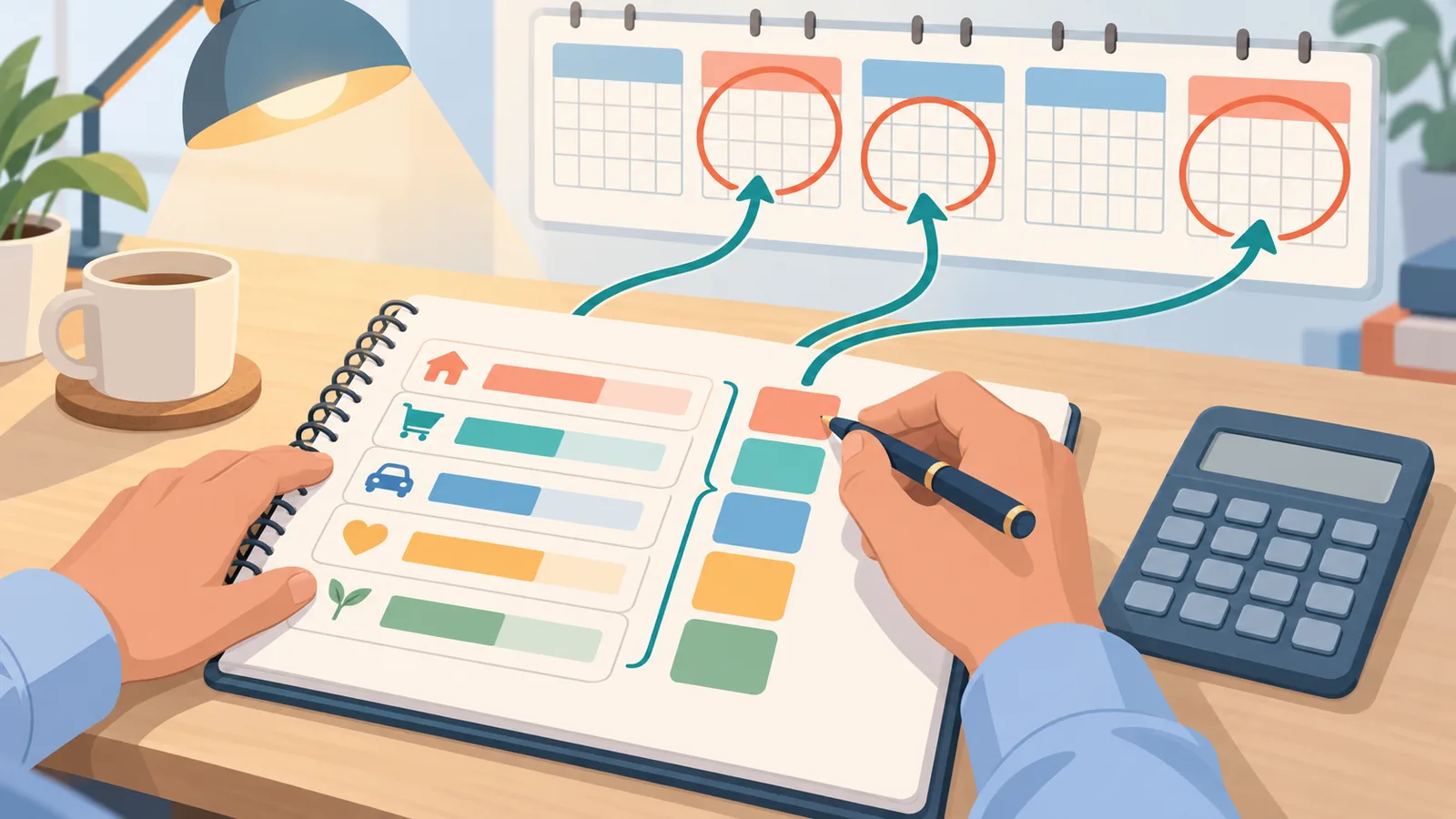
The most useful way to size a round is to work backward. Start with what the next investment stage will expect you to show. Then estimate what it costs to reach that point and how long it will take. Finally, add a buffer, because plans almost always slip.
- Write down the milestone the next round will need (for example, a working product with a defined group of active users).
- List the costs to get there: people, tools, hosting, legal, and any customer testing.
- Estimate the months it will take.
- Add a buffer for delays.
One planning reference suggests thinking in terms of roughly 12 to 18 months of runway. Treat that as a starting point only. The right number varies by industry, team, and costs, and it is not an average for any specific market or a guarantee of anything.
Illustration only, not a typical figure: imagine a team that plans to spend 10 units per month for 12 months to reach its milestone. That is 120 units. If the team adds a buffer of 3 extra months of spending, the target becomes 150 units. The numbers are made up to show the method. Your own figures will come from your own cost list.
Who Invests at Pre-Seed
Pre-seed money comes from a handful of general sources. The right fit depends on your stage, how quickly you want to move, and what help you want besides cash.
- Angel investors: individuals who invest their own money, often with experience in your field.
- Early-stage funds: firms that invest in young companies as part of a managed fund.
- Accelerators: programs that offer funding along with structured support and a network.
- Other early backers: people close to you or your industry who believe in the team.
When choosing, ask what each investor offers beyond money, such as introductions, advice, or credibility in your market. Pick targets whose stage focus matches yours.

If you are based in Korea, local support exists. K-Startup’s fundraising and exit strategy course covers the investment process and drafting investment agreements for early founders. The K-Startup One-Stop Support Center lists support for fundraising strategy and IR, along with legal help on investment contracts and round negotiation.
Prepare Your Materials: Investor List, Summary, and Deck
Before your first meeting, get three things ready:
- A target investor list: the people and firms you plan to approach, chosen for stage fit.
- A short business summary: a brief document that explains the problem, the product, and the proof you have so far.
- A deck that works without you: slides clear enough that someone can understand your business without hearing you present.

Add a use-of-funds plan to your materials. Investors want to see what the money will pay for and how it connects to your milestone. The costs list you built in the sizing step is the natural starting point.
How to Run the Process: Outreach and Meetings
Run your investor conversations in parallel rather than one after another. Talking to several investors in the same window keeps momentum up and gives you a clearer sense of real interest.
- Sort your list. Mark which investors you have a warm path to and which would need a cold approach. Warm introductions are common practice, but this is a judgment call, and a well-written cold message can still work.
- Send your first wave. Share the short summary and deck with the people you want to speak to first.
- Take meetings in the same window. Avoid spreading them out over a long stretch.
- Follow up. After each meeting, send a brief recap and any materials you promised.
- Track everything. A simple spreadsheet with name, date, status, and next step is enough.
These follow-up and tracking habits are practical suggestions rather than fixed rules. Adjust them to how you work.

🛒 Recommended Product
SAFE vs. Priced Round: How Each Works
Important caveat: the SAFE is a US-style instrument, and much of the guidance around it reflects the US startup environment. It is not automatically standard or suitable in every country, including Korea. Whether it fits your company depends on where your company is based and the terms involved, so get legal review before using one.
According to Y Combinator, a SAFE lets an investor put money in now in exchange for a right to receive shares in the future. Until it converts, a SAFE is not stock.
In a priced round, shares are issued at closing and a price per share is set. The table below compares the two in structural terms only.

| Feature | SAFE | Priced Round |
|---|---|---|
| Instrument type | A contract giving the investor a right to future shares | Direct purchase of shares |
| When shares are issued | Later, when the SAFE converts | At closing |
| Price per share set | Not at signing; determined when it converts | At closing |
| Ownership status at signing | Investor holds a contract right, not stock | Investor holds shares |
| Paperwork | Generally lighter in structure | Generally more involved in structure |
Neither option is better in every case. Ask your legal adviser which fits your company and location.
Dilution Math: What You Give Up
Dilution is the share of your company that you hand over in exchange for funding. For a post-money SAFE as described by Y Combinator, you can estimate the ownership sold by dividing the investment amount by the valuation cap.
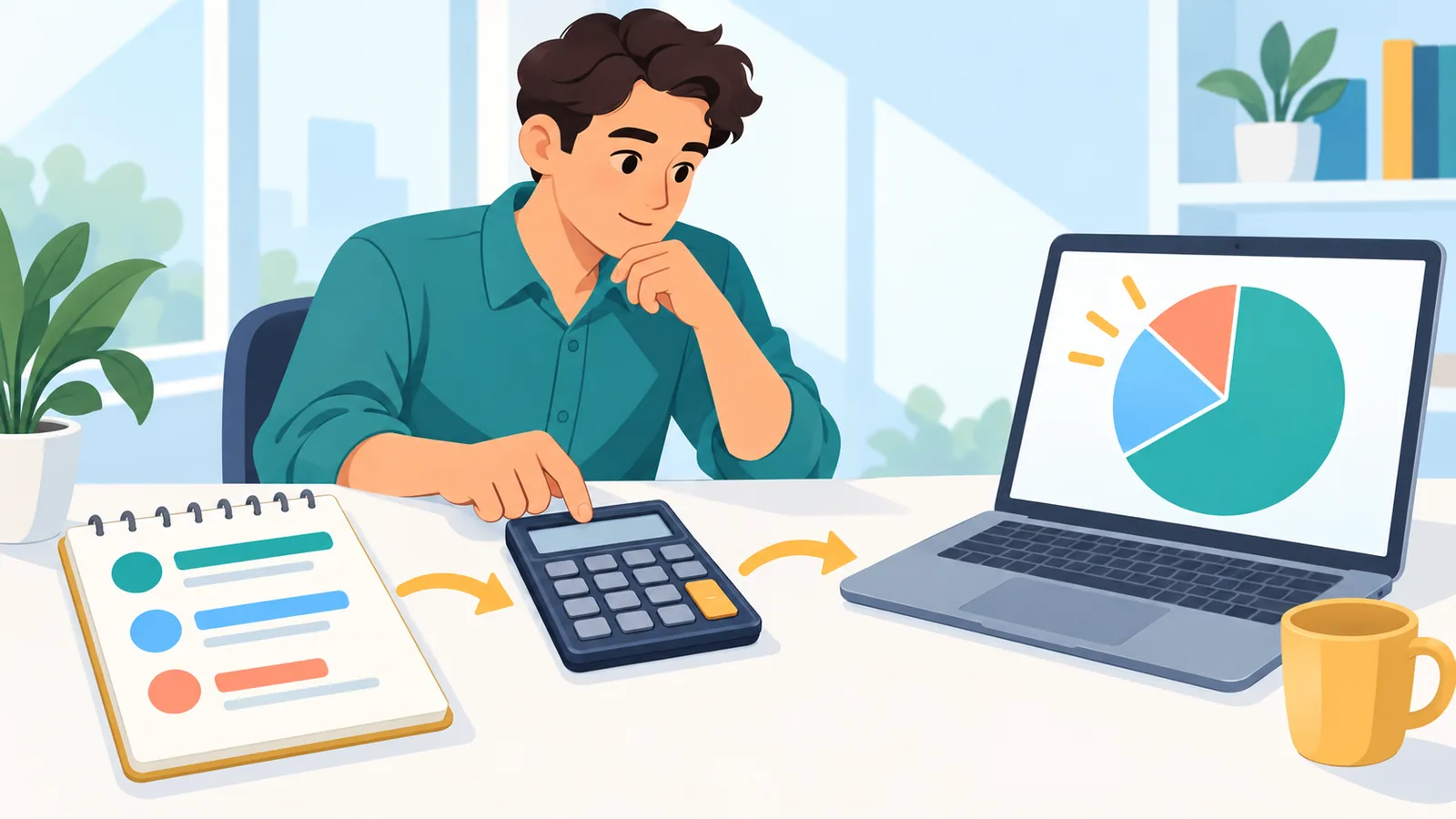
Formula: ownership sold = investment ÷ valuation cap
Example only, not a market norm: if a company raises $1M on a SAFE with a $6.7M cap, the ownership sold is about 15%. These numbers illustrate the calculation. They are not typical terms for any market.
As you add investors, keep a running cap table. Update it each time you sign a new instrument so you always know who holds what and how much you have given up in total.

Legal and Records Checklist Before You Sign
Clean records speed up investor review and reduce surprises. Use this checklist before you sign:
- Company formation documents: your incorporation or registration papers are complete and easy to find.
- Share records: an accurate record of who owns what.
- Founder equity documents: agreements covering each founder’s stake are signed and stored.
- Intellectual property: the company owns the code, designs, and other assets it relies on, with assignments in place where needed.
- Data room: a organized folder holding the documents an investor will ask for during due diligence.
- Use-of-funds plan: a written plan showing what the money will be spent on.
Guidance on securities and company structure from US sources does not transfer directly to Korean law. Have qualified counsel review your documents. Korea-based founders can also look at the legal support areas listed by the K-Startup One-Stop Support Center. For a US-oriented practical overview of what to prepare, see Lowenstein Sandler’s pre-seed preparation guide.
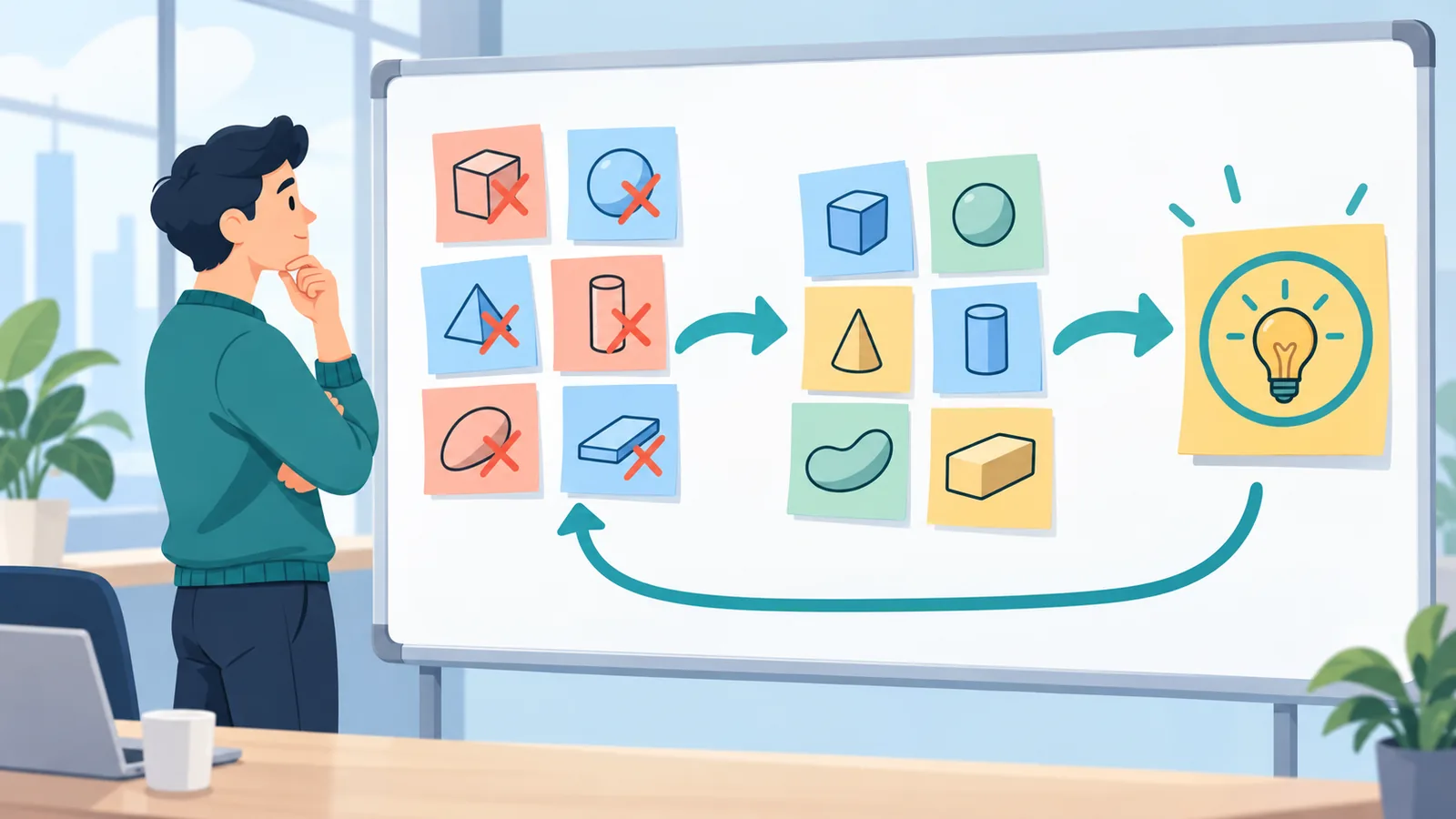
Want a quick way to check where you stand? Use a pre-seed readiness checklist before you start contacting investors.
Common Mistakes to Avoid
- Raising without proof of demand. Without a prototype, waitlist, or pilot, investors have little to evaluate.
- Sizing the round by guesswork. Work backward from the milestone instead of picking a round number.
- Talking to investors one at a time. Parallel conversations keep momentum and give you better information.
- Signing an instrument you do not fully understand. If a term is unclear, ask your legal adviser before you sign.
- Keeping messy records. Missing or inconsistent documents slow down due diligence.
FAQ
How much should I raise?
Work backward from the milestone the next round will need, estimate the cost and time to reach it, and add a buffer. There is no universal number. See the sizing section above.
How long should my runway be?
One planning reference points to about 12 to 18 months. It is a starting point only and varies by industry, team, and costs.
Do I need a prototype first?
Not necessarily, but you need some proof. A prototype, a waitlist, or a small pilot are common examples. See the readiness section.

What is a SAFE?
A SAFE is a contract where an investor provides money now in exchange for a right to future shares. It is not stock until it converts. See the SAFE section.
How do I calculate dilution?
For a post-money SAFE, divide the investment by the valuation cap. For example, $1M at a $6.7M cap is about 15%. This is an example, not a standard term.
Can I use US advice if I am based in Korea?
Not directly. US guidance on SAFEs, securities, and company structure reflects the US environment. Get qualified legal advice for your own situation.
Want more comparisons and buying guides?
Citing this article
Source: Atovia (Atovia). https://atovia.kr